
Website Designing
Website Designing
In today’s digital age, website design is much more than just a combination of right fonts, colors, and layout. It’s about creating digital experiences, shaping the way users interact with the internet, and ultimately, how they perceive and engage with your brand. This comprehensive guide delves into the intricacies of website design, exploring its importance, elements, process, trends, and its critical role in business success.
The Importance of Website Design
The significance of website design in the modern business landscape cannot be overstated. A well-designed website serves as the virtual storefront of your business, often being the first point of interaction between your brand and potential customers. It’s a powerful tool for communication, branding, and conversion.
Key Elements of Website Design
User Experience (UX): UX is at the heart of website design. It’s about ensuring a seamless, intuitive, and enjoyable interaction between the user and the website. Good UX design is user-centric, focusing on ease of navigation, information architecture, and providing a frictionless journey from the homepage to conversion.
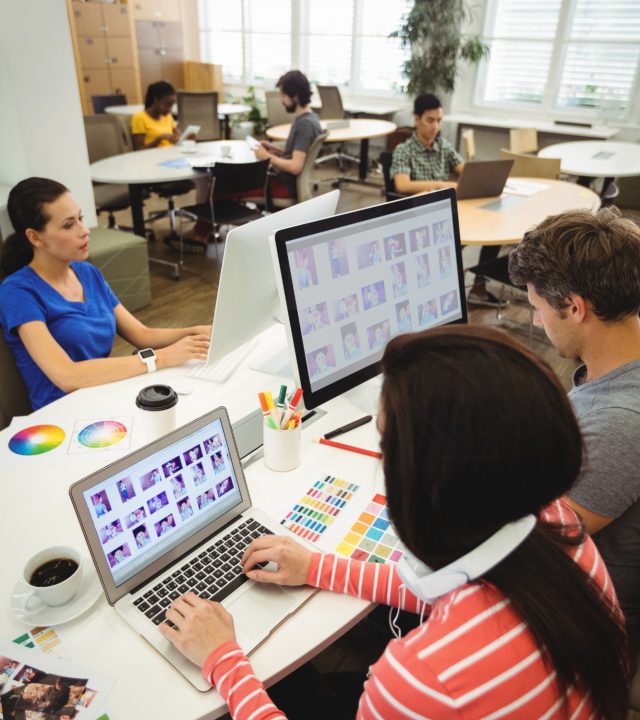
User Interface (UI): UI complements UX by focusing on the look and feel of the website. It includes the choice of colors, typography, button styles, imagery, and other visual elements. A good UI not only looks aesthetically pleasing but also enhances the usability of the website.
Responsive Design: With the proliferation of mobile devices, responsive design has become non-negotiable. A responsive website automatically adjusts its layout and content to fit the screen size of the device it’s being viewed on, providing an optimal viewing experience across all devices.
Content: Content is king in website design. Engaging, relevant, and high-quality content not only helps in SEO but also keeps users informed and engaged. The integration of visual and textual content should be done strategically to enhance the overall message and goals of the website.
Loading Speed: Website loading speed is a critical factor in user experience and SEO. A slow-loading website can lead to high bounce rates and loss of potential customers. Optimizing image sizes, leveraging browser caching, and minimizing HTTP requests are some ways to improve loading speed.
The Website Design Process
The process of designing a website involves several key steps:
Research and Planning: This initial phase involves understanding the client’s business, target audience, and objectives. It’s crucial to plan the website’s structure, content, and functionality based on this understanding.
Wireframing and Prototyping: Wireframes provide a blueprint for the website layout, while prototypes offer an early glimpse of the user interaction model. These are essential for visualizing and testing ideas before moving to the design phase.
Design and Development: Here, the visual elements are created, and the website is brought to life through coding. This phase requires close collaboration between designers and developers to ensure that the final product aligns with the initial vision.
Testing and Launch: Before launching, the website undergoes thorough testing for functionality, usability, and compatibility across browsers and devices. Post-launch, ongoing maintenance is essential for updating content, fixing bugs, and making improvements.
Current Trends in Website Design
Website design is an ever-evolving field with trends that come and go. Some of the current trends include:
- Minimalism: A clean, uncluttered look focusing on simplicity and functionality.
- Bold Typography: Large, bold typefaces are used to make a statement and guide user attention.
- Custom Illustrations and Animations: These add personality and visual interest to websites.
- AI and Chatbots: Integration of artificial intelligence for improved user interactions and customer service.
Website Design and Business Success
In the realm of business, a well-designed website can be a game-changer. It can enhance brand perception, improve user engagement, and drive conversions. A website acts as a 24/7 marketing tool, capable of reaching a global audience. For e-commerce businesses, the website is not just a marketing tool but the primary sales platform, making its design crucial for business success.
Quick Links
Services
Contact Us
- info@originalflair.in
- HISSAR, HARYANA, INDIA
- Copyright 2020 All rights reserved By Original Flair